



Make the comparison fair
Choose the cab, bed, drivetrain and intended use before comparing badges. A performance-oriented build and a lighter work-focused configuration are not equivalent just because both belong to a half-ton truck family.
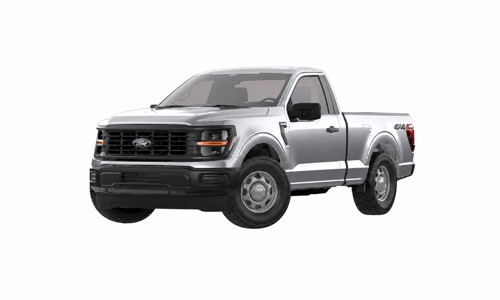
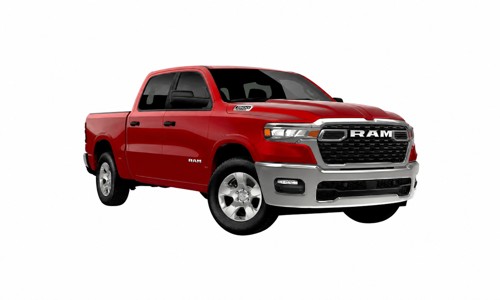
Write down the trailer, cargo, passenger and parking requirements that matter. Then identify a few actual F-150 and Ram 1500 listings that meet them. The window sticker, payload label and model-year towing guide can turn a broad brand discussion into a concrete comparison.
WHAT MATTERS MOST TO YOU?
Start at the labels and equipment
Compare the actual payload labels, bed needs, towing equipment and loaded-trailer information. Keep the load assumptions identical for both trucks.
The 2026 starting points
These are lineup-level distinctions. Verify the engine and equipment on each truck you are considering.
| What to compare | Ford F-150 | Ram 1500 |
|---|---|---|
| Powertrain range | EcoBoost V6, V8 and PowerBoost full hybrid; separate Raptor powertrains. | Pentastar eTorque V6, two Hurricane inline-six outputs and HEMI eTorque V8. |
| Cabin and cargo | Compare the actual cab, bed, storage and fitted comfort equipment. | Compare the actual cab, bed, storage and fitted comfort equipment. |
| Towing and payload | Use the 2026 guide and the selected truck’s labels and equipment. | Use the 2026 guide and the selected truck’s labels and equipment. |
| Performance and trail versions | Evaluate Tremor, Raptor and other configurations on their own specifications. | Evaluate Rebel, RHO and other configurations on their own specifications. |
| Price and ownership | Compare an itemized quote and applicable terms for the actual vehicle. | Compare an itemized quote and applicable terms for the actual vehicle. |
A headline tow rating is not your truck’s rating
Manufacturer maximums describe qualifying configurations. Those configurations can differ across brands and can differ substantially from a truck loaded with passengers, accessories and luggage.
Ask to see how each actual candidate fits your intended load. Trailer rating, payload, axle, hitch and combined-weight limits all matter. A higher model-wide maximum does not establish that one particular truck is the correct choice for your trailer.
Use the same route and the same checklist
Try seating, rear access, controls, visibility and parking in both trucks. Take notes before discussing prices so a feature you value does not disappear into a payment comparison.
For work, consider where tools and materials will travel. For family use, bring the child seats or bulky gear you normally carry. The right choice depends on how the selected trucks serve those requirements, not on a generic brand score.
0 of 4 checked
Questions you may be asking
Which one is better?
The answer depends on the actual configurations and your priorities. This guide deliberately avoids declaring a universal winner.
Should I compare the most powerful engines?
Only if those configurations fit your needs. Performance output is one part of a truck choice, alongside payload, equipment, cost and daily use.
Can I compare used examples too?
Yes. Use the individual trucks’ years, condition, records and equipment rather than applying this 2026 lineup comparison to every used listing.